JULY, 2026
GG2690263 Water Infrastructure Project in Filipina, Panama
Rotary Club Playa Coronado, District 4240 — Host
Rotary Club Mt. Shasta (California, USA), District 5160 — International
(Area of focus: Water, sanitation, and hygiene)
Update currently failing water infrastructure in Filipina, a village in Filipina, Sora, Chame District, Republic of Panama. We will update the present storage tank and add 2 larger tanks for storage with appropriate purification systems, install larger delivery pipes, and provide adequate security of the infrastructure.
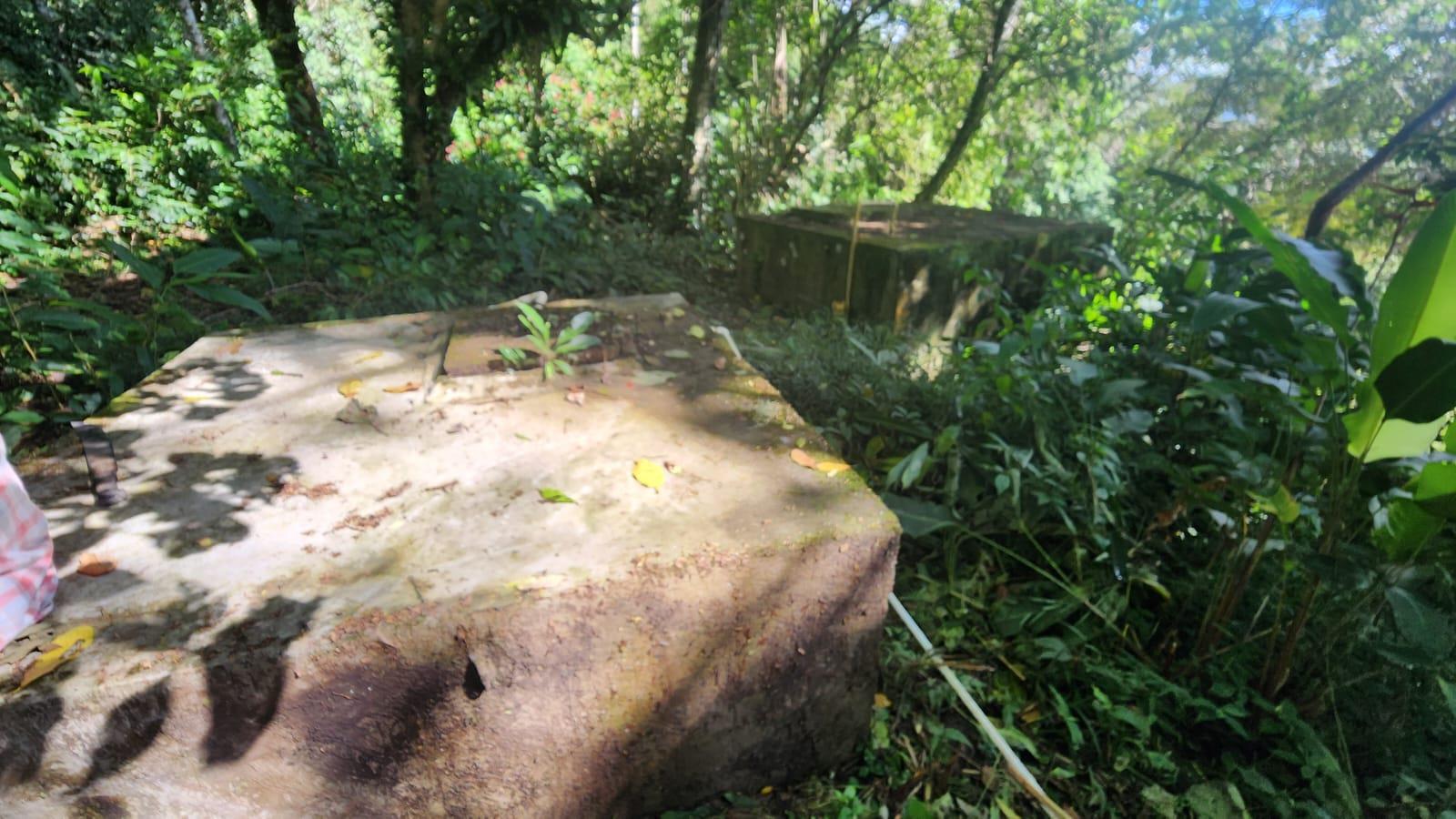
The community of Filipina is located in the region of Sora, Chame District, Province of West Panama, Republic of Panama. It is a moderate sized village community is composed of approximately 400 people, including children, young adults, and elderly. The community faces a grave situation due to the limited water resources and aging water infrastructure. Likely due to climate change, especially in summer they are experiencing a low level of water production from the springs that supply the rural aqueducts. In addition, the present system was constructed several years ago and needs some significant repairs. Materials for water systems, both in terms of securing the resource, and delivering it to users, have improved technologically as well. Currently there are a few households in the village who do not have a water delivery system. Thus, they need to update current water storage, purchase larger tanks for storage with appropriate purification systems, install larger delivery pipes, and provide adequate security to the tanks by constructing a fence that surrounds them. This last summer has seen a striking change in water resources throughout Panama and the entire country has been affected regarding the access of this vital human resource.
JULY, 2026
GG2575173 RACHEL Growing in Panama
Rotary Club Playa Coronado, District 4240 — Host
Rotary Club Murray (Utah, USA), District 5420 — International
(Area of focus: Basic education and literacy)
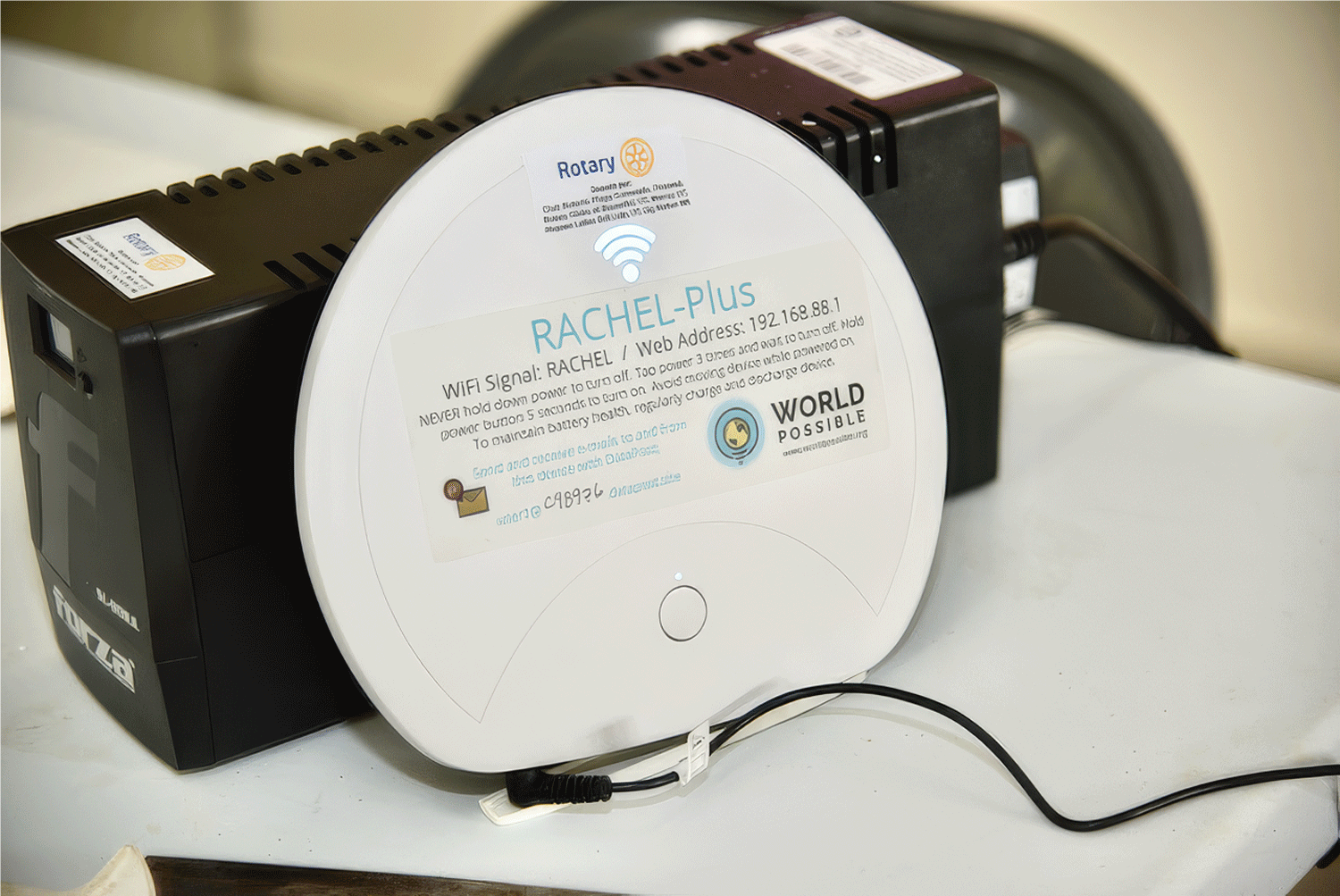
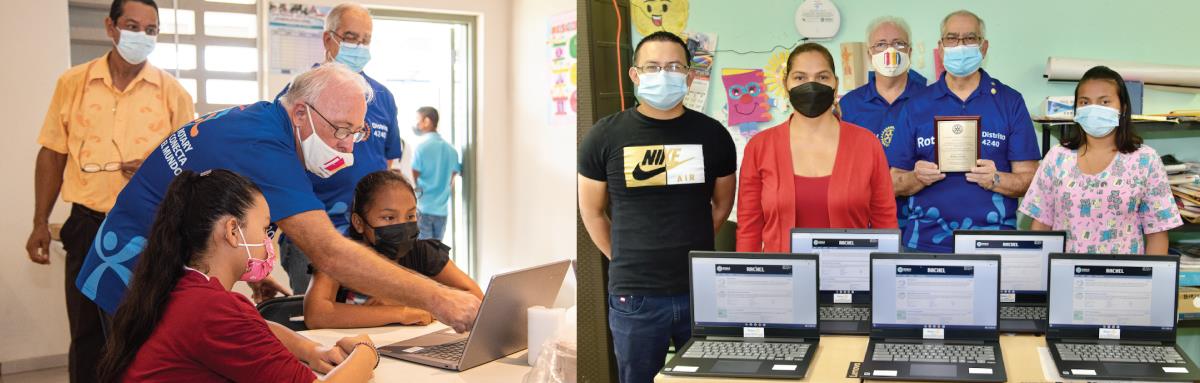
The (Remote Access Community Hotspot for Electronic Learning) RACHEL in Panama project was created by the Rotary Club of Playa Coronado in mid 2021 using club funding and support from Rotary Clubs in Utah, USA. It initially put a RACHEL system in 6 schools, 3 in Coclé Province and 3 in Panama Oeste Province, more schools have been subsequently added. All the teachers from each of the 6 schools were invited to attend a full day of training on RACHEL and digital learning techniques, presented by a Facilitator (brought in from World Posible, Guatemala where RACHEL has been in service for more than eight years). Subsequently each school received RACHEL hardware comprising a RACHEL Plus 4.0 (preloaded with educational modules), an uninterruptible Power Supply and 10 Chromebook computers. The host Sponsor (Murray with Bountiful Rotary Clubs) sent a delegation of more than 20 persons who visited 5 of the 6 Evaluation Schools before agreeing to becoming the International Sponsor. Subsequently the project received Global Grant, GG2453218, that put RACHEL systems into a further 18 schools AND provided resources to train 3 Ministry of Education (Meduca) facilitators in Panama.
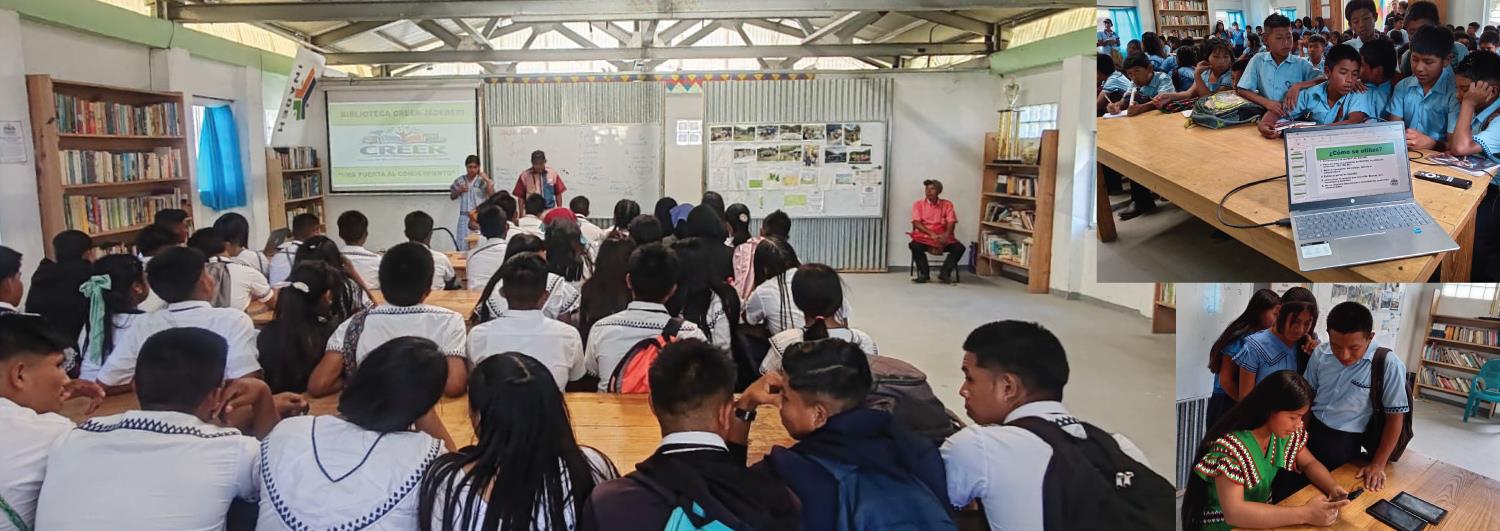
Meduca (Ministry of Education) Coclé wishes (confirmed at meeting of December 2024) to support the implementation of RACHEL systems into a further 50 remote schools and shall continue to provide three (3) dedicated staff to manage the project and provide long term training and support. The Meduca staff each received training covered by GG2453218 (March 2024) from the Facilitator brought to Panama from World Posible, Guatemala and subsequently they have independently training the staff at a further school, thus removing the reliance on a World Posible Falicitator. It is noted from Community Assessment data collected for GG2453218 Rachel in Panama that the number of students of each sex is very evenly balanced (18 schools), as are teachers, and based on the sample size this data is not being collected for this GG.

The following are what shall be provided in this Global Grant:-
1. THREE (3) online diploma courses in Digital Competencies, each of which is for 20-25 persons). These courses shall be supplied by Panamanian facilitator(s) AND SHALL ONLY BE PROVIDED TO TEACHERS THAT CAN ATTEND AND HAVE NOT ATTENDED NEW COURSES OFFERED AT THE TEACHER TRAINING COLLEGES. (Note GG2453218, per letter from RI, required all teachers to be offered this course, even those without internet access, and wasted resources.)
2. 1 full day of instruction for every teacher (~190 total) for each of the schools selected to receive a RACHEL system. Course will use Meduca Facilitators and be held at a Meduca Cocle, Central Training Facility. If Option 1 is not realizable this may be extended to 2 days. One (1) full day for Meduca Area Coordinators 20 persons.
3. Refresher training shall be offered for teachers at the schools that already have RACHEL systems.
4. Further RACHEL workshops bringing together teachers together to share their experiences with RACHEL.
4. One RACHEL hardware system per school (50 total) comprising: - (1) One RACHEL Plus 5.0 system with installed software modules, (2) One uninterruptible power supply (UPS). (3) Ten Windows 11 laptop computers. We will also ensure each school has a fire extinguisher and First Aid Kit close to where the equipment is located.
The choice of remote schools proposed for RACHEL will be made jointly by Meduca in collaboration with the Rotary Club of Playa Coronado, Rotaract Coclé and also consider individual requests from schools who have heard about the project. All shall be primary schools which will be visited to complete the Community Assessment. It is noted that some funding is included for (receipted) petrol and vehicle repairs..
Meduca continues to monitor the student performance by routine (nationwide, bi-annual) testing however the impact of the use of the RACHEL technology shall be assessed jointly (Meduca / Rotary / Rotaract) by regular (required by Ministry of Education) visits to the schools to collect data (verbal) and by questionnaires. Note that collection of National Quantitative student performance data has ceased, Alternative methods are being sought in discussions with Meduca.
RACHEL currently includes the full Panama Curriculum (2024). At a meeting with Meduca (October 2025) we were advised that a new version (2026) is being prepared will be released in late February/March 2026. All RACHELs delivered by this GG will included the 2026 version. ALL previously delivered RACHELs (approximately 30 schools) will be updated as quickly as possible in 2026 (either by visits to update the hardware or replacement with pre-programmed units).
DEC, 2025
GG2580702 Bocas Panama B.E.S.T. Vocational Training program (Bocas Educacion de Servicio y Turismo)
Rotary Club Summit County (Colorado, USA), District 5450 — International
Rotary Club Playa Coronado, District 4240 — Host
(Area of focus: Community economic development)
The main objectives of the B.E.S.T. (Bocas Educacion de Servicio y Turismo) project are:
1. Develop opportunities for productive work and improve access to sustainable livelihoods
2. Empower marginalized communities by providing access to economic opportunities and services.

During the COVID pandemic, all schools in Panama were closed for 2.5 years. An entire generation of young local indigenous adults did not receive basic high school education because of this and were left with no job skills to enter the local economy. The B.E.S.T. vocational training program targets the marginalized population of 18 to 30 year olds primarily from indigenous and Afro-Caribbean communities in the Bocas del Toro archipelago where there is widespread poverty and high youth unemployment.
Since COVID, the Bocas area has experienced a growing tourist influx, and local businesses reported not being able to secure trained tourism employees within the community.
The B.E.S.T. program seeks to train local youth in hospitality skills to meet the increased demand within the community for trained employees. Graduates from the B.E.S.T. program receive a Certificate of Training that improves their chances of employment and access to a sustainable livelihood.
GG2685916 Education is Power - Digital Interactive Classrooms Empowering Young Minds for a Brighter Future
MARCH, 2026
Rotary Club Panama Norte, District 4240 — Host
Rotary Club Venice Suncoast (USA), District 6960 — International
(Area of focus: Basic education and literacy)
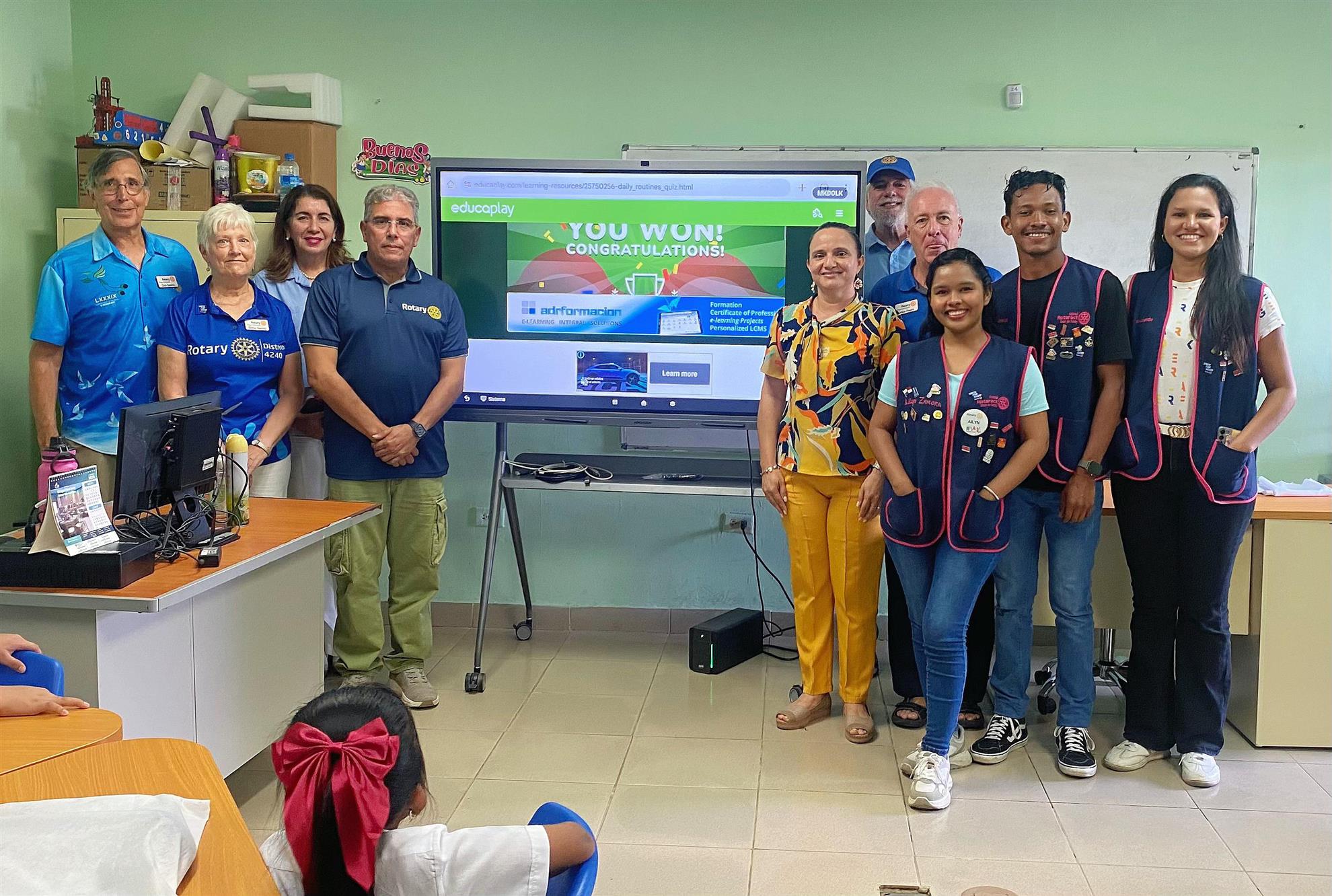
The principle objective of the project Education is power is to enhance Learning Outcomes in 50 schools for 30,000 students of primary schools with the introduction of 2 innovative models of classrooms and teaching methodology, with one an interactive digital classroom and the other a RACHEL system in areas where internet is not available and unlikely to obtain it in the near future, driven by 2,000 teachers. These teachers will receive a digital competencies course to sharpen their teaching methodologies with the introduction of technology in the classroom. The Technological University of Panama, one of our main allies, will be charged with the task of imparting the course which has already being tested in previous projects supporting this initiative in the country. RISE=Rotary Innovation for Sustainable Education is the name given to this initiative as it encompasses all the elements for being an innovation which is sustainable in time. Our RISE initiative, Digital Interactive Classrooms Project aims to bridge the digital gap between private and public schools by using digital tools to improve student engagement and learning outcomes. It is built on 4 pillars: Equipping schools with state-of-the-art digital tools; Mobile Units to reach schools with limited infrastructure and internet connectivity; Teacher Training in Digital Competence in partnership with University of Technology; Monitoring & Evaluation framework to measure the learning impact. With the department of Evaluation of the Ministry of Education=MEDUCA, an evaluation process is in the process of being developed to measure the improvement of the learning outcomes in children of the participating schools. According to a CIEDU* study, this digital gap, where RISE will impact, translates to 7 out of 10 children not having access to computers in their home and 4 out of 10 not having internet access. The lack of digital competency among teachers and children compounds the difference between private and public schools. Panama reached the level of 74 out 81 in PISA** (2023) that measures the learning outcomes in Math, Reading and Writing in children, yet the ATAL (Aprendamos Todos a Leer) test have demonstrated to us that the reading comprehension in those schools where previous interventions have been made with the previous digital interactive classrooms project have significantly improved. This RISE initiative will contribute to the achievement of the UN SDG 4 and our project goals by working in a close relationship with the Ministry of Education for the implementation of the law on digital transformation in the education system enacted in April 2022 and in so doing ensure its sustainability and potential to further replicate within the educational system.
* CIEDU = Centro Investigación Educativa en Panamá;
** PISA = Program for International Student Assessment
With your help, we can make lives better in our community.
Thank You!
Name: Club Rotario de Playa Coronado
A/C Num: 204020005821
AC Type: Ahorro (Savings)
Banco LAFISE Panamá
For international transactions, please contact us.

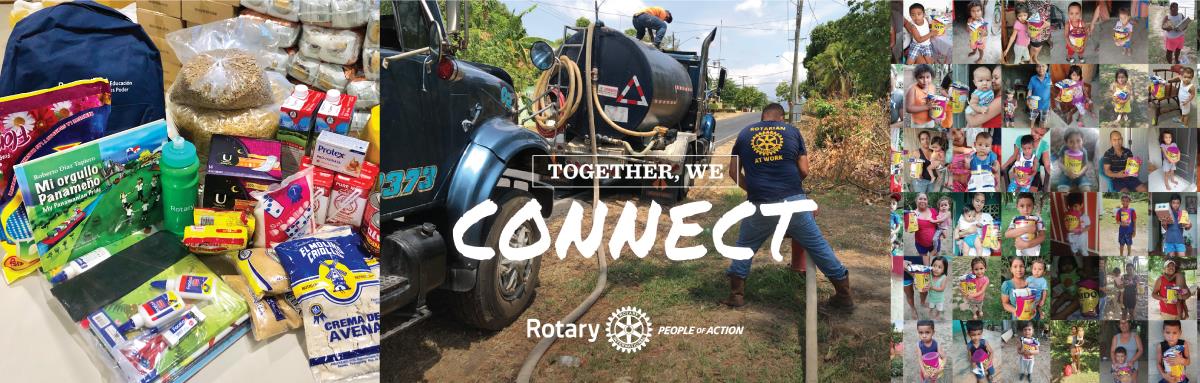
Together, We End Polio

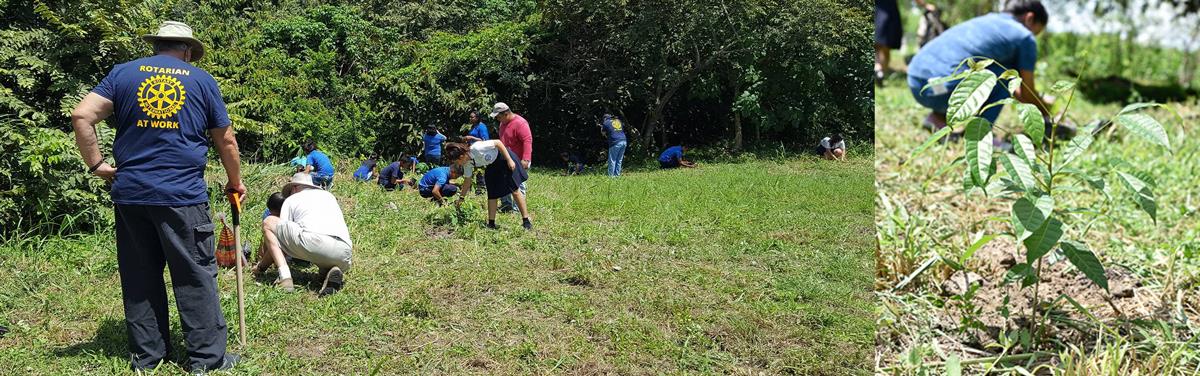
Rotary shares an interest in protecting our common legacy: the environment.
We are committed to supporting activities that strengthen the conservation and protection of natural resources, advance ecological sustainability, and foster harmony between communities and the environment. We empower communities to access grants and other resources, embrace local solutions, and spur innovation in an effort to address the causes and reduce the effects of climate change and environmental degradation.
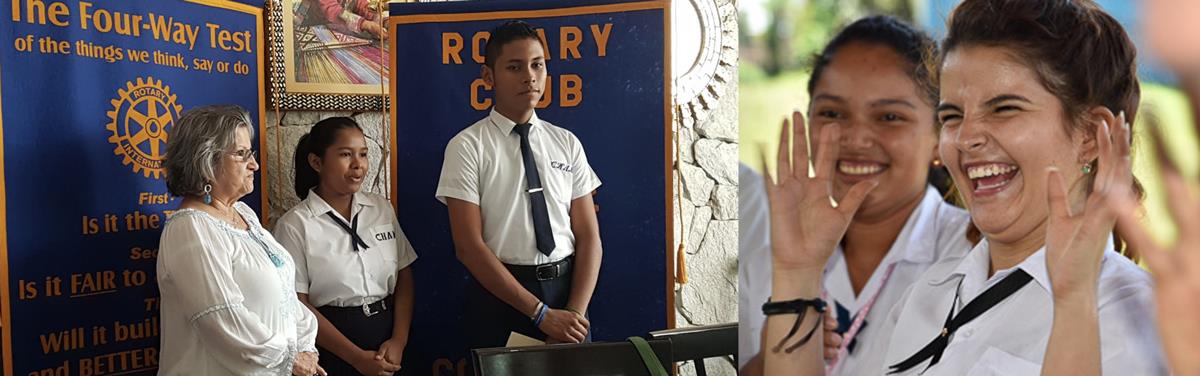
More than 775 million people over the age of 15 are illiterate. That’s 17 percent of the world’s adult population.
Our goal is to strengthen the capacity of communities to support basic education and literacy, reduce gender disparity in education, and increase adult literacy. We support education for all children and literacy for children and adults.
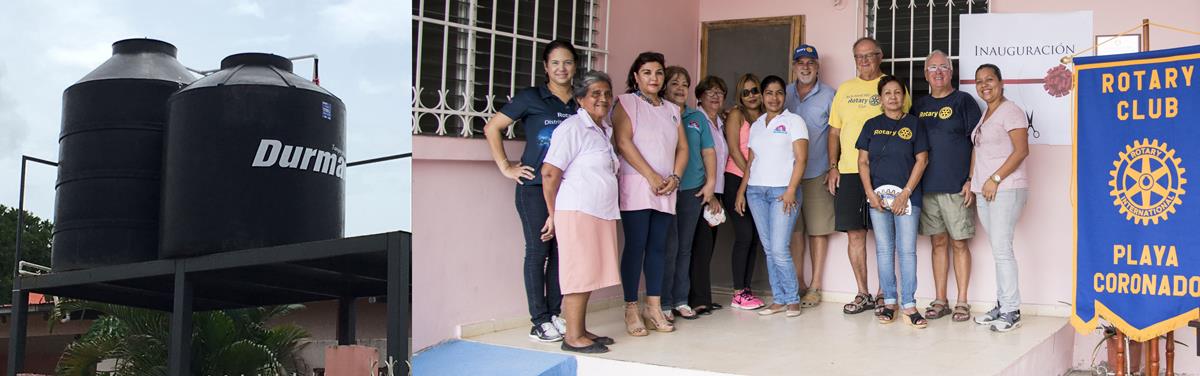
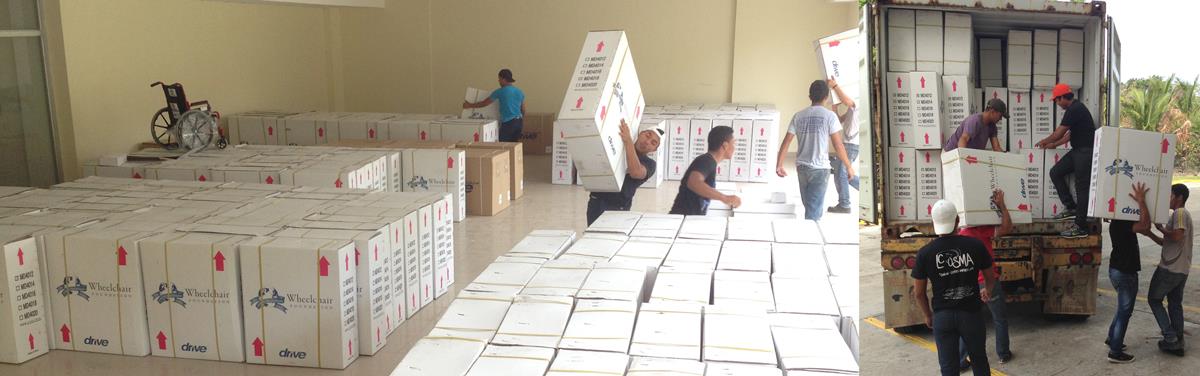
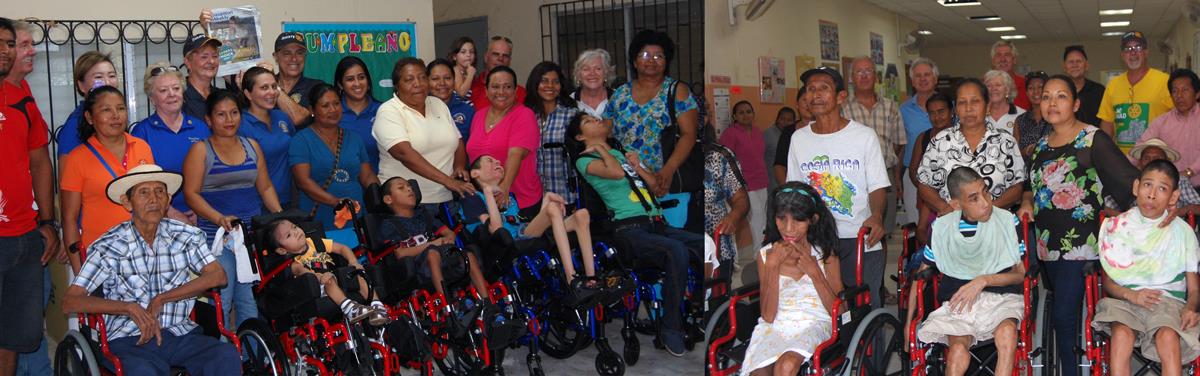
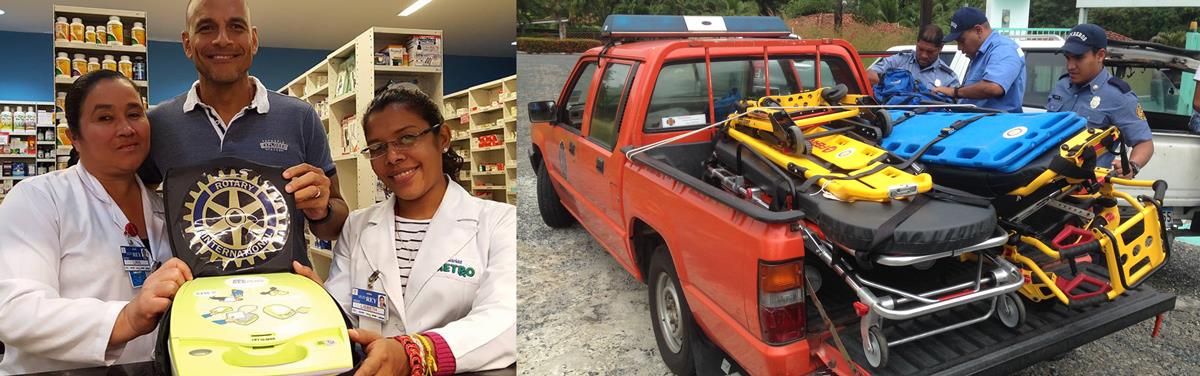
With the help of the Rotary Clubs of Colon, Chitre, La Chorrera, Panama Sur and others, we were able to locate potential recipients and provide them and their families with mobility. Many had never had a wheelchair and were often carried around by family members or were permanently bedridden.
.jpg)